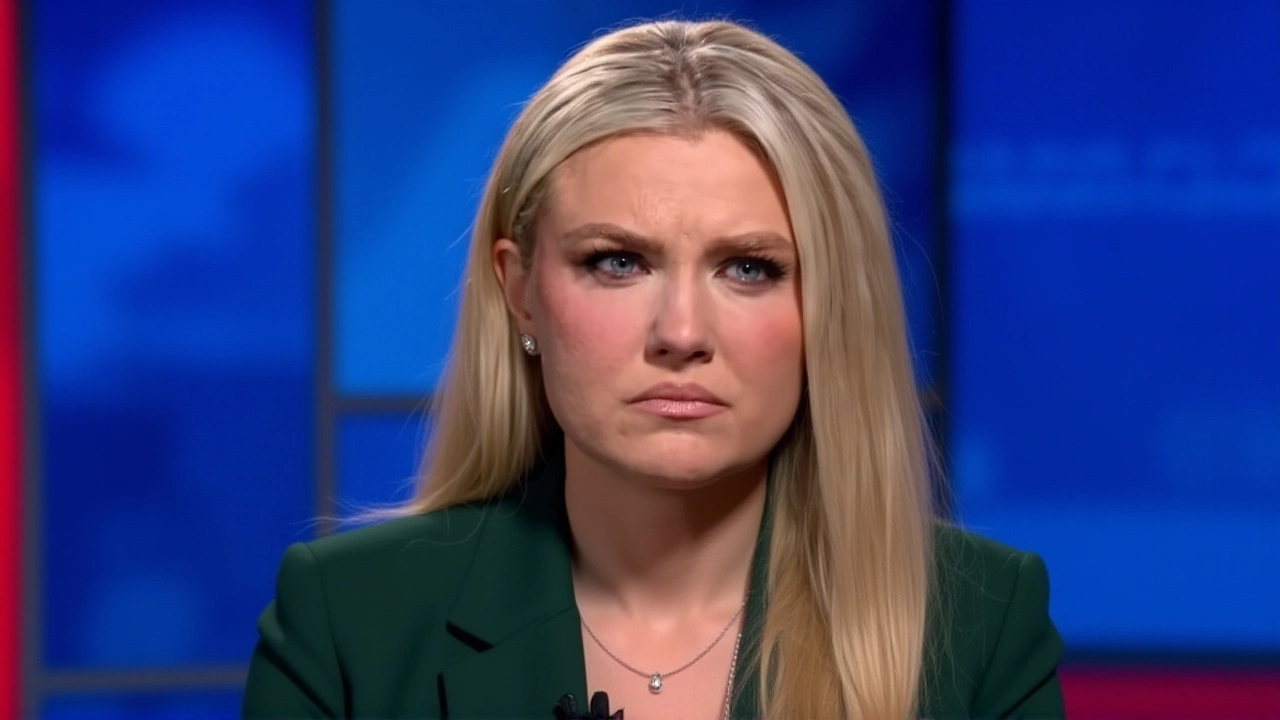
When Erika Frantzve Kirk walked into the emergency room at Utah Valley Medical Center on the afternoon of September 10, 2025, she didn’t want comfort. She didn’t want time to prepare. She wanted to see her husband’s face — the one that had smiled at her that morning, the one that had just been silenced by a bullet. Despite a police officer’s warning not to view the body until it had been prepared, she refused. "I responded to him and I said, with all due respect, sir, I want to see what they did to my husband," she told Jesse Watters on Fox News. "And I want to kiss him because I did not get to give him a kiss this morning." That raw, defiant moment — captured in her first televised interview — became the defining image of a tragedy that has reverberated across American political life. Her husband, Charlie Kirk, 31, founder of the conservative youth movement Turning Point USA, was shot dead mid-sentence during a campus debate at Utah Valley University in Orem, Utah. The attack, at 12:05 p.m. Mountain Time, left thousands of students stunned. A single bullet struck his neck. He died within minutes.
The Moment Everything Changed
Erika Kirk was at the medical center for a routine appointment with her mother when Mikey McCoy, her husband’s chief of staff, called. "Charlie’s been shot. Get the kids. Get security, get the kids, get the kids, he’s been shot," she recalled. She sprinted out of the building, collapsed in the parking lot, and didn’t stop until she reached the ER. "It was like a scene from a horror movie," she told Watters. But what she saw — and what she interpreted — became something far more powerful than grief. She described a faint, almost imperceptible smile on Charlie’s face. "That smirk," she said, her voice breaking but steady, "said, You thought you could stop what I built. You got my body; you didn’t get my soul." She repeated it three times in the interview. And now, it’s on T-shirts. On protest signs. On social media feeds across the country. It’s become the rallying cry of a movement that refuses to be silenced.A Legacy Under Siege — And Under Her Command
Charlie Kirk founded Turning Point USA in 2012 at age 18. Today, it has over 1,200 campus chapters in every U.S. state. He wasn’t just an organizer — he was a cultural force. He turned conservative activism into something young people wanted to join: bold, unapologetic, and media-savvy. Erika, who had served as the organization’s Director of Campus Outreach, stepped into the role of CEO the day after his death. She’s now leading the organization while raising two children — ages 5 and 7. "I don’t have the luxury of falling apart," she said. "They need their mom. And Charlie’s work needs its leader." She’s also made a conscious choice: she’s never watched the video of the shooting. "I never will see it," she said. "There are certain things you see in your life that mark your soul forever. I don’t want my husband’s public assassination to be something I ever see. I don’t want my kids to ever see that."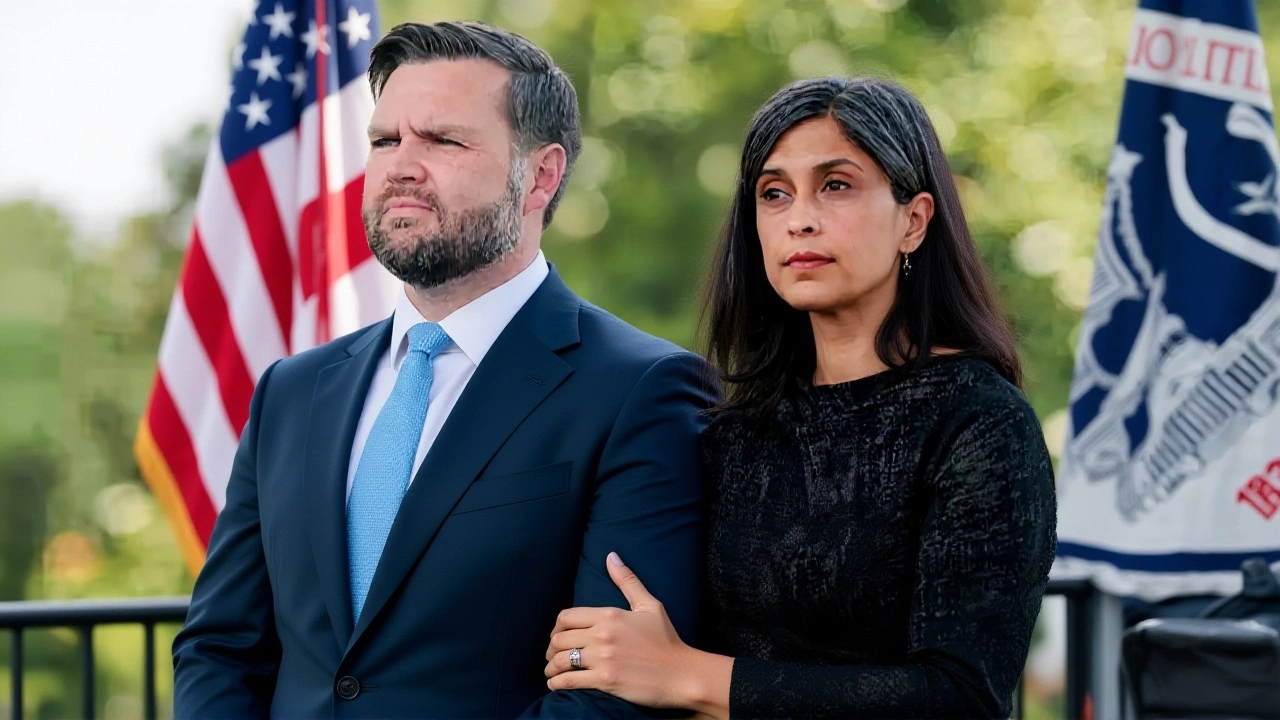
The Suspect, the System, and the Stakes
The shooter, Tyler Robinson, 22, was a former student at Utah Valley University. He was arrested within 48 hours after his father alerted authorities to his son’s possession of the rifle used in the attack. Robinson now faces federal charges, including hate crime enhancements, that could lead to the death penalty. His trial is set for March 2026 in the U.S. District Court for the District of Utah. But the legal battle may not end there. Legal analysts from Lawyer Monthly report Erika Kirk is considering a wrongful-death civil suit against the Robinson family, potentially seeking over $10 million. The claim hinges on whether the rifle was stored negligently — a claim that, if proven, could shift blame beyond the shooter to his household. Meanwhile, the FBI and State Department are weighing whether to pay the $1 million reward offered for information leading to Robinson’s arrest. But here’s the twist: if Erika wins her civil case, that reward money could be seized to satisfy judgment. Donors who contributed to the reward fund are now quietly urging officials to withhold payment.What This Means for the Nation
Charlie Kirk’s death didn’t just remove a voice — it amplified one. His legacy is no longer just about campus activism. It’s about resistance. About what happens when violence tries to silence a movement. Former President Donald Trump posted on Truth Social the day of the shooting: "The Great, and even Legendary, Charlie Kirk, is dead. No one understood or had the Heart of the Youth in the United States of America better than Charlie." His words echoed a sentiment felt by hundreds of thousands of young conservatives who saw in Kirk not just a leader, but a mirror. Now, his widow is holding that mirror up — cracked, bloodied, but still reflecting. Erika Kirk doesn’t speak in policy papers. She speaks in soul. And in that, she’s become more powerful than her husband ever was.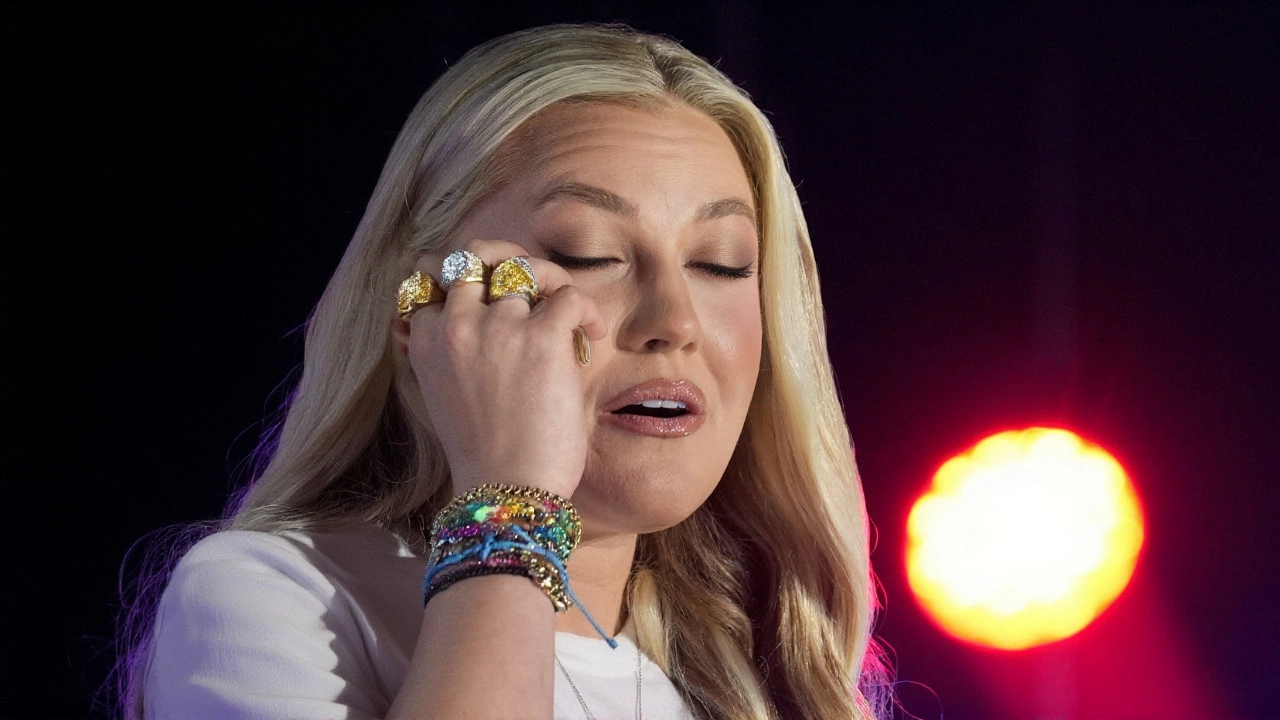
What’s Next?
In January, Turning Point USA plans to launch the "Kirk Legacy Tour," a nationwide series of campus events featuring speeches by students who were inspired by Charlie. Erika will be on every stop. The civil lawsuit, if filed, could reshape how gun liability is handled in cases of politically motivated violence. And the trial of Tyler Robinson will be one of the most closely watched federal cases in years — not just for its legal stakes, but for what it says about the cost of dissent in America.Frequently Asked Questions
Why did Erika Kirk insist on seeing her husband’s body despite police advice?
Erika Kirk believed that seeing Charlie’s body was a final act of love and defiance. She wanted to confront the violence done to him directly, not through sanitized hospital preparations. Her statement — "I want to see what they did to my husband" — was both personal and political, turning grief into a public statement about the brutality of his assassination and the resilience of his legacy.
What is the significance of the "smirk" Erika Kirk described?
The "smirk" she described became a symbolic anchor for her public narrative. It represents the idea that while violence can end a life, it cannot extinguish an idea. For supporters of Turning Point USA, the smirk symbolizes Charlie Kirk’s unyielding spirit and the belief that his movement will outlive him — a message that has galvanized young conservatives nationwide.
Is Erika Kirk planning a civil lawsuit, and what could it mean?
Yes, legal sources confirm Erika Kirk is evaluating a wrongful-death lawsuit against the Robinson family, potentially seeking over $10 million. The case would focus on whether the rifle used in the attack was negligently stored, shifting some liability to the shooter’s household. If successful, it could set a precedent for holding families accountable in politically motivated gun violence cases.
Why won’t Erika Kirk watch the assassination video?
She says watching the video would permanently scar her and her children. She’s chosen to preserve Charlie’s memory as he was — a man who lived with passion, not as he died in a moment of violence. Her refusal to view the footage has become a moral stance, reinforcing her message that his legacy should be defined by his life, not his death.
How has Turning Point USA changed since Charlie Kirk’s death?
Under Erika Kirk’s leadership, the organization has shifted from being primarily a student recruitment engine to a broader cultural movement centered on resilience and legacy. The "Kirk Legacy Tour" and increased focus on family narratives have deepened its emotional appeal. Membership has surged by 37% since September 2025, according to internal reports.
Could the $1 million reward to Tyler Robinson’s father be taken away?
Yes. If Erika Kirk wins her civil lawsuit against the Robinson family, courts could order the reward money — which was funded by private donors — to be seized as part of the judgment. The FBI is still reviewing whether to pay it, but legal experts say the likelihood of seizure makes payment politically and legally risky.